
CAFCASS Section 7 Report 2026: How to Prepare for Your Interview
If a judge has ordered a CAFCASS section 7 report in your case, you are probably feeling anxious about what comes next. The interview, the home visit, the waiting. This guide explains exactly what a CAFCASS section 7 report involves, what questions you might be asked, and how to prepare yourself for the best possible outcome.
What Is a CAFCASS Section 7 Report?
A CAFCASS section 7 report is a welfare assessment ordered by the family court under Section 7 of the Children Act 1989. When parents cannot agree on child arrangements, the court asks CAFCASS (Children and Family Court Advisory and Support Service) to investigateand make recommendations about what is best for your child.
The CAFCASS officer assigned to your case will speak to both parents, meet with your child (usually separately), and may contact schools, GPs, or other professionals. They then write a report with recommendations that the judge will consider when making a final decision.
Here is the crucial point: judges follow CAFCASS recommendations in approximately 70-80% of cases. This means the CAFCASS section 7 report is often the most influential document in your case.
How Long Does a CAFCASS Section 7 Report Take?

A standard CAFCASS section 7 report takes 12-16 weeks from the court order to completion. However, in busy areas like London, delays can stretch to 20-27 weeks for non-urgent cases. This waiting period can be incredibly stressful, especially if interim contact arrangements are not working well.
During this time, CAFCASS will conduct safeguarding checks with police and local authorities, interview both parents (usually by phone initially, then in person), arrange a home visit, speak with your child, and contact relevant professionals like teachers.
For more information about child arrangements after separation, see the official GOV.UK guidance.
Preparing for Your CAFCASS Section 7 Interview

The CAFCASS section 7 interview is your opportunity to share your perspective. The officer will ask about your relationship with your child, your daily routines, your concerns about the other parent, and what arrangements you believe would be best.
Here are practical tips to prepare:
- Stay child-focused: Every answer should come back to what is best for your child. Avoid spending time criticising your ex-partner.
- Prepare your key points: Write down the main things you want the officer to know. Bring brief notes so you do not forget anything important.
- Be honest: CAFCASS officers are trained social workers who can spot exaggeration. Stick to facts you can support with evidence.
- Show you can co-parent: Demonstrate you understand both parents are important to your child (unless there are genuine safeguarding concerns).
- Stay calm: Getting angry or upset can be noted as a concern. If you feel emotional, take a breath and refocus on your child.
What Happens at a CAFCASS Home Visit?

The CAFCASS home visit is not a white-glove inspection. The officer is looking for a “good enough” standard, not a show home. They want to see that your home is safe, warm, and set up to meet your child’s needs.
For your CAFCASS section 7 home visit, make sure:
- Your child has their own space to sleep with clean bedding
- There are age-appropriate toys, books, or activities
- Basic safety measures are in place (no obvious hazards)
- You have appropriate food in the cupboards
- The home is reasonably clean and welcoming
If your child is present during the home visit, the officer will observe how you interact together. This is your chance to show the reality of your relationship, so relax and be yourself.
Can You Challenge a CAFCASS Section 7 Report?
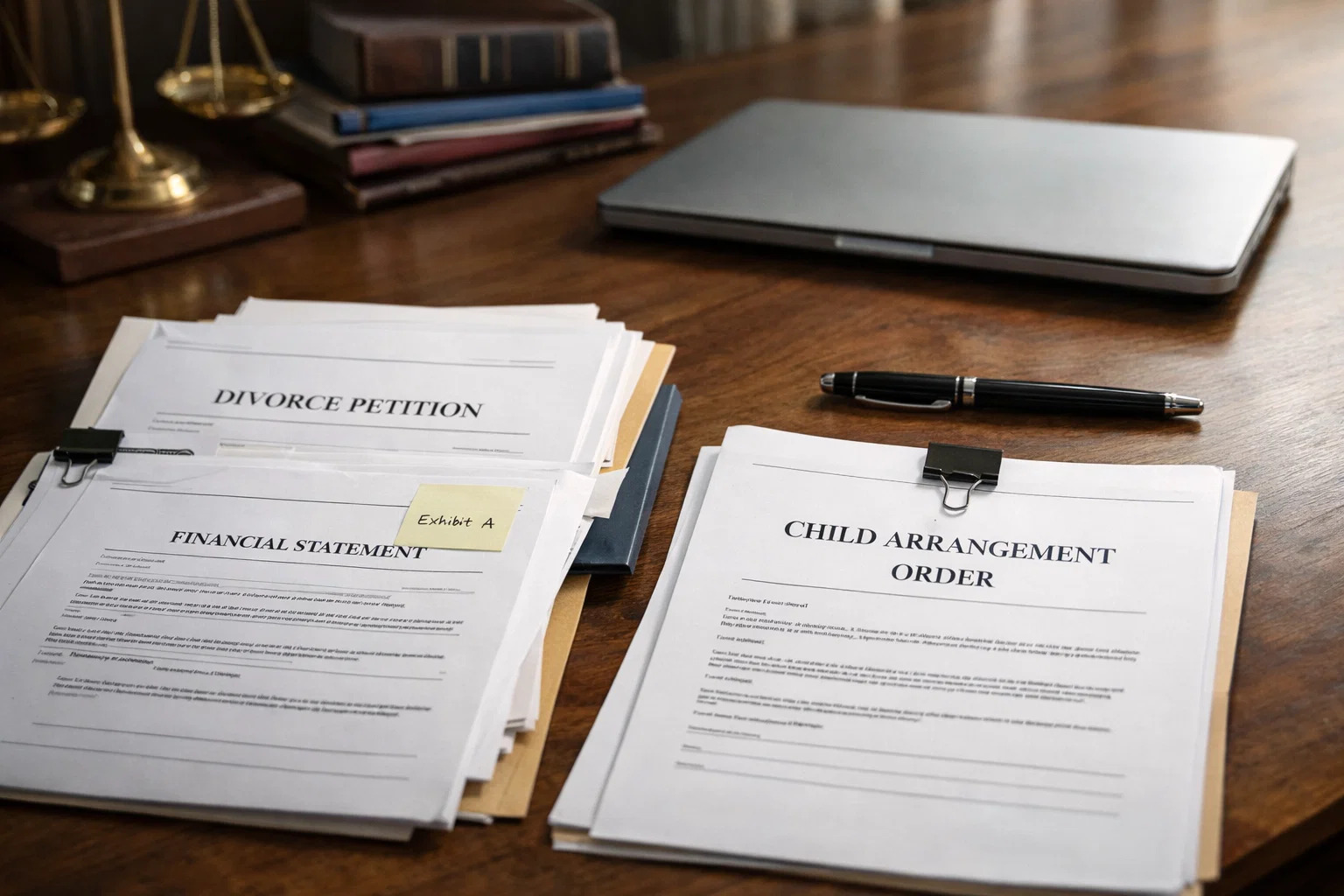
Yes, you can challenge a CAFCASS section 7 report if you believe it contains errors or unfair recommendations. You cannot complain to CAFCASS about the professional judgment in the report, but you can address factual mistakes directly with the officer before the hearing.
If you disagree with the recommendations, you should prepare a written statement setting out your concerns clearly and calmly, supported by evidence. At the final hearing, you can request that the CAFCASS officer attends to be questioned about their report.
Remember: the judge makes the final decision, not CAFCASS. If you can present a compelling case that the recommendations are not in your child’s best interests, the judge can make a different order.
For free legal guidance on CAFCASS and family court, Rights of Women provides helpful resources.
Getting Support for Your CAFCASS Section 7 Report

Many parents facing a CAFCASS section 7 report feel overwhelmed, especially if they are representing themselves in court. A McKenzie Friend can help you prepare for your interview, organise your evidence, and support you through hearings, at a fraction of solicitor costs.
Contact McKenzie Friend London for a free consultation to discuss your CAFCASS section 7 report. Call 07958361168 or email alex@mckenziefriendlondon.co.uk
━━━━━━━━━━━━━━━━━━━━━━━━━━━━━━
📄 Preparing for an FHDRA or Hearing After Your Section 7 Report?
Our FHDRA Preparation Pack (£39.99) includes a position statement template with a dedicated section for responding to the Cafcass safeguarding letter, a guide to what happens at the hearing, and a full pre-hearing checklist. 8 documents, instant download.
If your case involves domestic abuse allegations, our Fact-Finding Hearing Pack (£49.99) covers PD12J, cross-examination preparation, and evidence organisation — 8 documents.
👉 Browse all hearing preparation packs: mckenziefriendlondon.co.uk/resources